Positive Reinforcement Training
Reward what you want to see. Reward-based training is backed by vets and behaviour experts. How positive reinforcement works, how to start, and why it suits clever dogs.
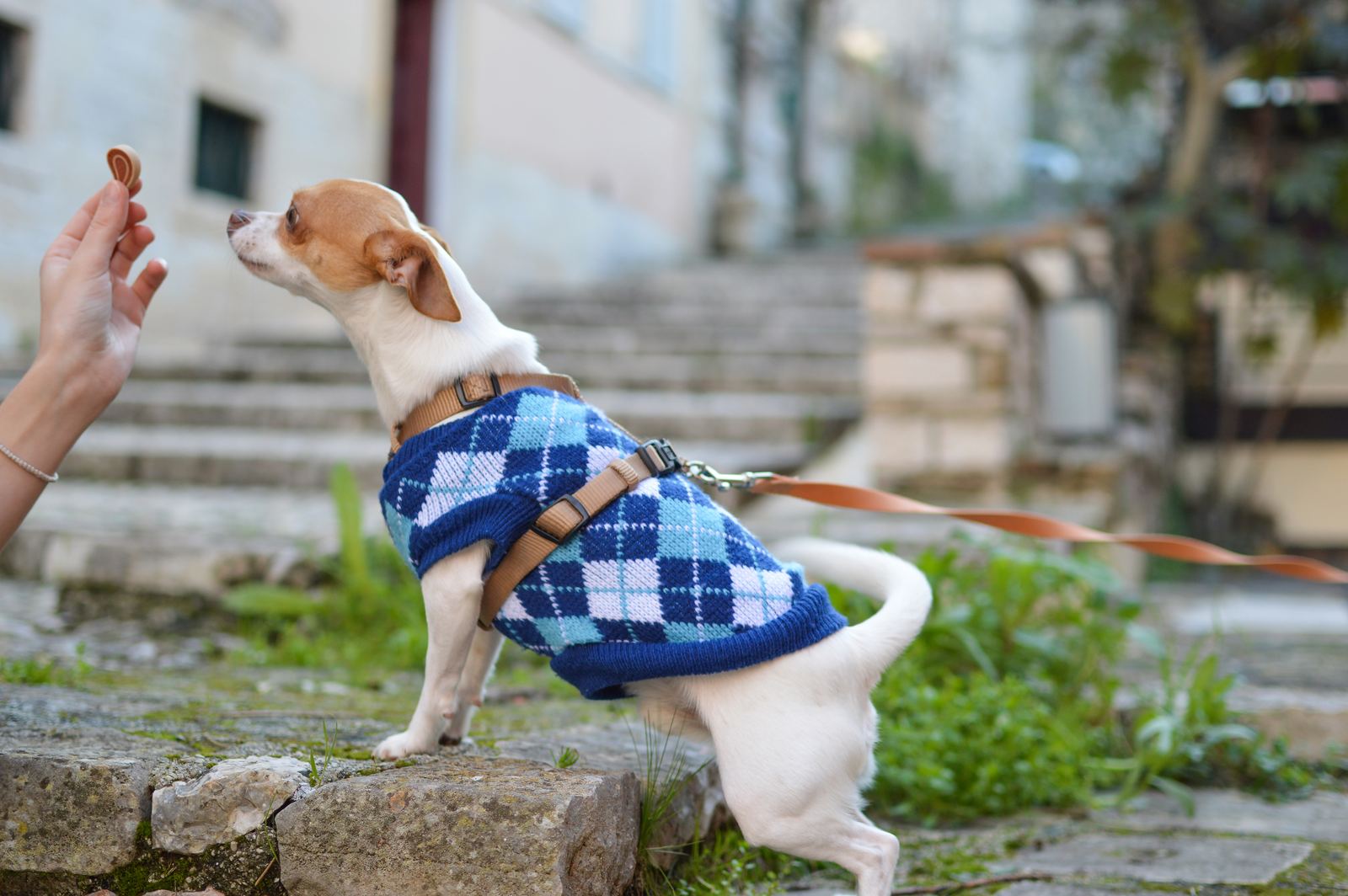
A treat for a good dog: Pete Bellis petebellis, CC0
What it means
Positive reinforcement is simple: when your dog does something you like, something good follows, so the dog is more likely to do it again. The reward can be a tasty treat, a quick game of tug, a toss of the ball or happy praise. You choose whatever your dog values most.
Instead of punishing mistakes, you set your dog up to succeed and reward the right choice. Unwanted habits are handled by managing the environment and teaching an alternative, such as sitting to greet instead of jumping up.
What the experts say
The American Veterinary Society of Animal Behavior states that evidence supports reward-based methods for all dog training. Its 2021 position statement says there is no evidence that aversive training is necessary and that methods relying on force, pain or fear should not be used.
Welfare groups such as the RSPCA also recommend reward-based training. Kind methods protect the bond between you and your dog and keep training fun for both of you.
The RSPCA puts it plainly: all training should be reward based. It also suggests finding out what your dog likes best, starting new skills in a quiet room with few distractions, and ending each session with something your dog already knows so it finishes on a high.
How to start
Pick one small skill, such as sit or looking at you when you say their name. Have small, soft treats ready. The instant your dog does the behaviour, mark it with a clear word like yes and give the reward. Timing matters: the reward should arrive while the dog still remembers what earned it.
Keep sessions short, a few minutes at a time, and end while your dog is still keen. Once a skill is solid in the kitchen, practise it in the garden, then on walks, because dogs need help to apply a skill in new places.
Perfect for smart dogs
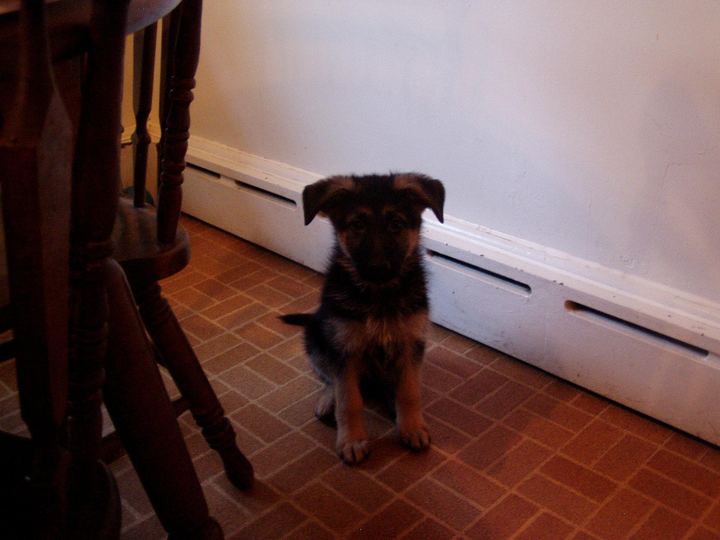
Quick learners like German Shepherds pick up patterns fast, so clear rewards help them learn the right patterns. Training also counts as brain exercise, which helps a busy dog settle.
Nova says the best part of training is that every correct answer comes with a snack. That is the whole idea.
Facts on this page were checked against these sources.
- A treat for a good dog: Pete Bellis petebellis, CC0
Text written by NovaHova.