How Smart Are Dogs? Coren's Ranking
The famous list, and what it measures. Stanley Coren ranked dog breeds by working and obedience intelligence. See where German Shepherds landed and what the ranking does and does not tell you.
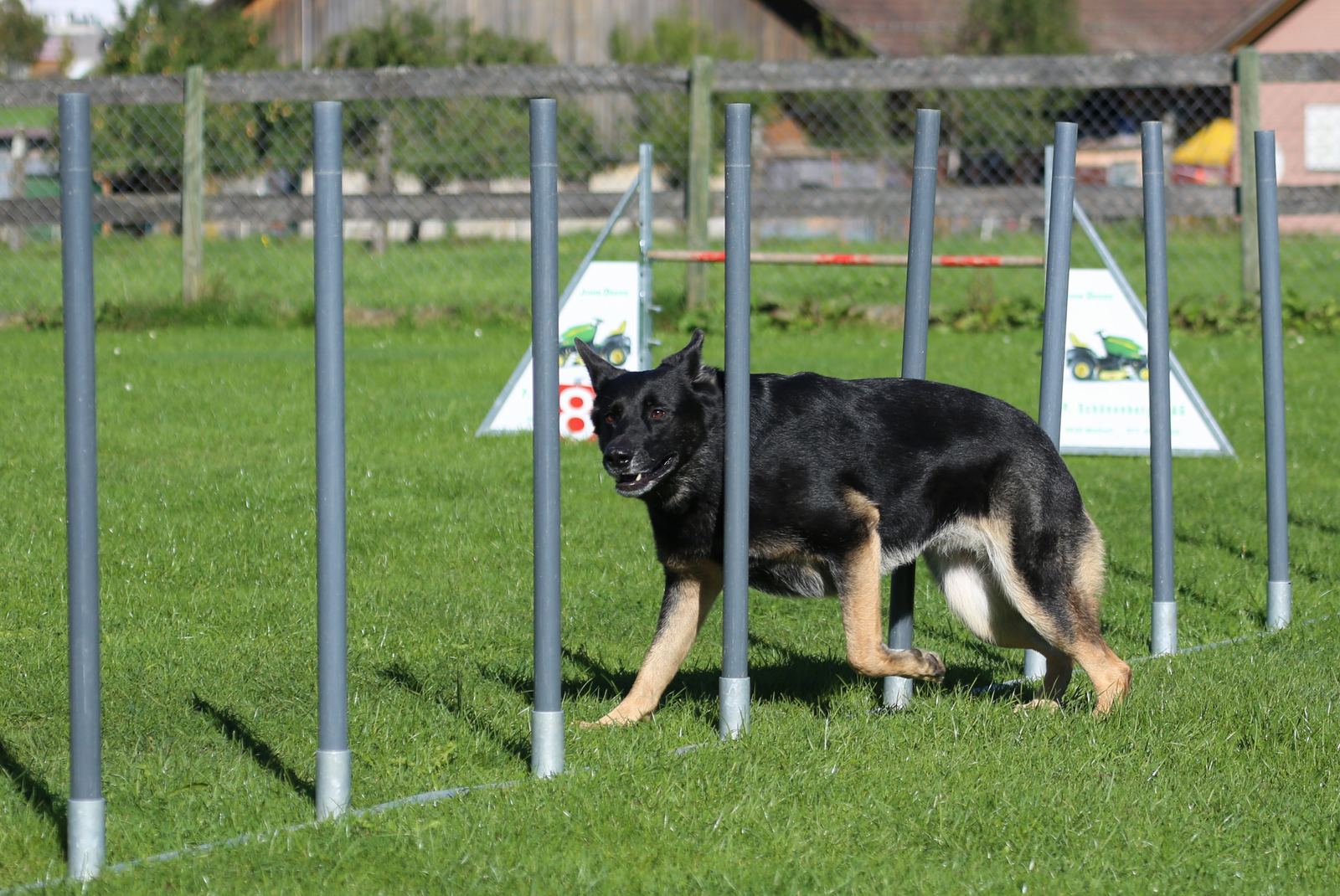
Weaving through the poles: A. Buser, CC BY-SA 3.0 ch
The list everyone quotes
When people say a breed is one of the smartest, they are usually quoting Stanley Coren. Coren, a psychology professor at the University of British Columbia, published The Intelligence of Dogs in 1994. His ranking leaned on evaluations from obedience trial judges, who see many breeds learn and respond to commands.
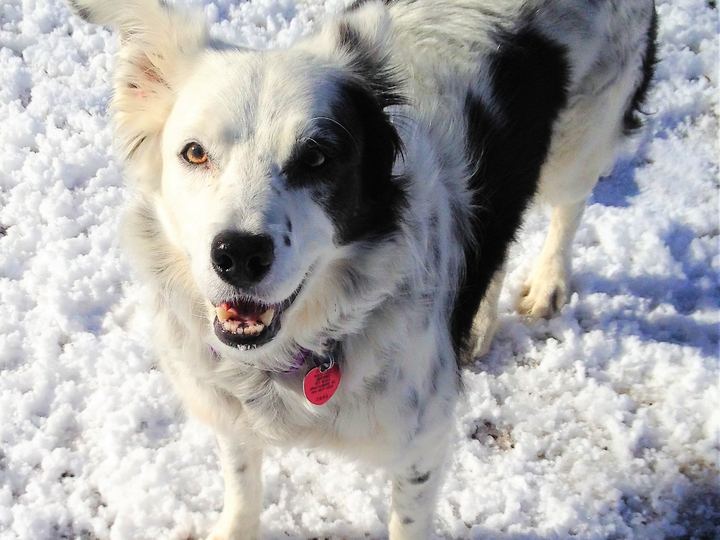
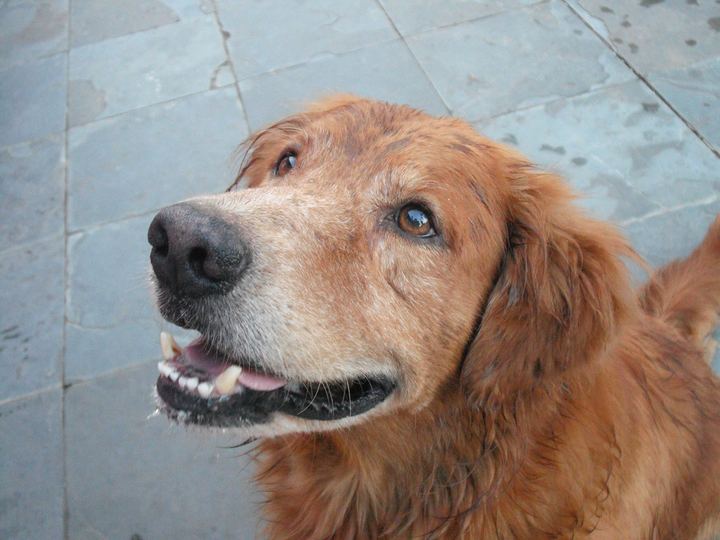
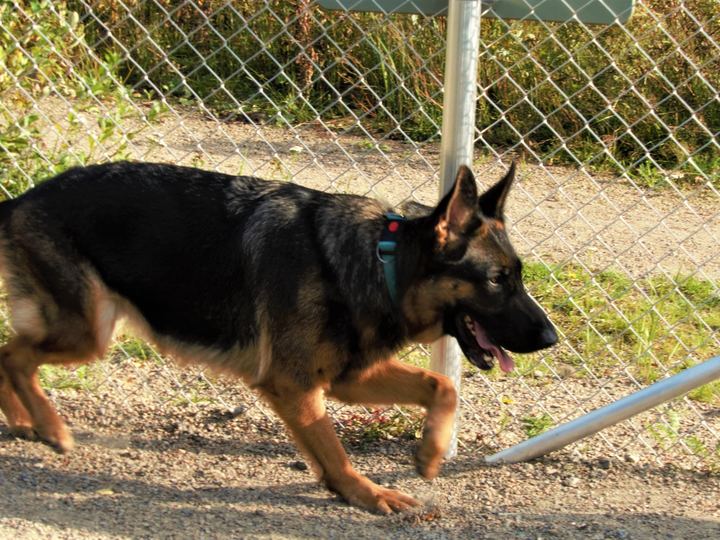
According to the American Kennel Club, the top of the list runs Border Collie, Poodle, German Shepherd Dog, Golden Retriever and Doberman Pinscher. So Nova's breed sits at number three, which she clearly considers a clerical error.
Three kinds of dog smarts
Coren described three types of canine intelligence. Instinctive intelligence is what a breed was bred to do, such as herding or retrieving. Adaptive intelligence is how well a dog solves problems on its own. Working and obedience intelligence is how quickly a dog learns from people and how reliably it responds.
His famous ranking measures mainly the third type. That is useful, but it is only one slice of what a dog's mind can do.
What the ranking misses
A scent hound that ignores a sit command may be brilliant at following a trail, and a guardian breed may think hard before obeying. Obedience rankings reward dogs that enjoy working closely with people, which is exactly what herding breeds like German Shepherds were selected for.
Modern dog cognition labs test many different skills, such as memory, reading human gestures and learning words, and they find big differences between individual dogs of the same breed. Your own dog may be a genius at something no list measures.
Dogs also differ a lot from one individual to the next, even within the same breed. A ranking can hint at what a typical member of a breed is like to train, but it cannot predict exactly how any single dog will think, learn or behave.
Why shepherds score high
German Shepherds were bred to take direction from a shepherd and then work with focus for long periods. That mix of eagerness, attention and stamina makes them quick to learn new cues, which is why they are so common in police, rescue and assistance work.
The flip side is that a clever dog learns bad habits just as fast as good ones. Clear, kind training and plenty of brain games keep that talent pointed in the right direction.
Facts on this page were checked against these sources.
- Weaving through the poles: A. Buser, CC BY-SA 3.0 ch
Text written by NovaHova.