Inside the Dog Cognition Labs
Pointing, puppies and puzzle games. Why dogs follow a pointing finger, what wolves and puppies taught scientists, and the labs at Duke, Yale and Budapest that study how dogs think.
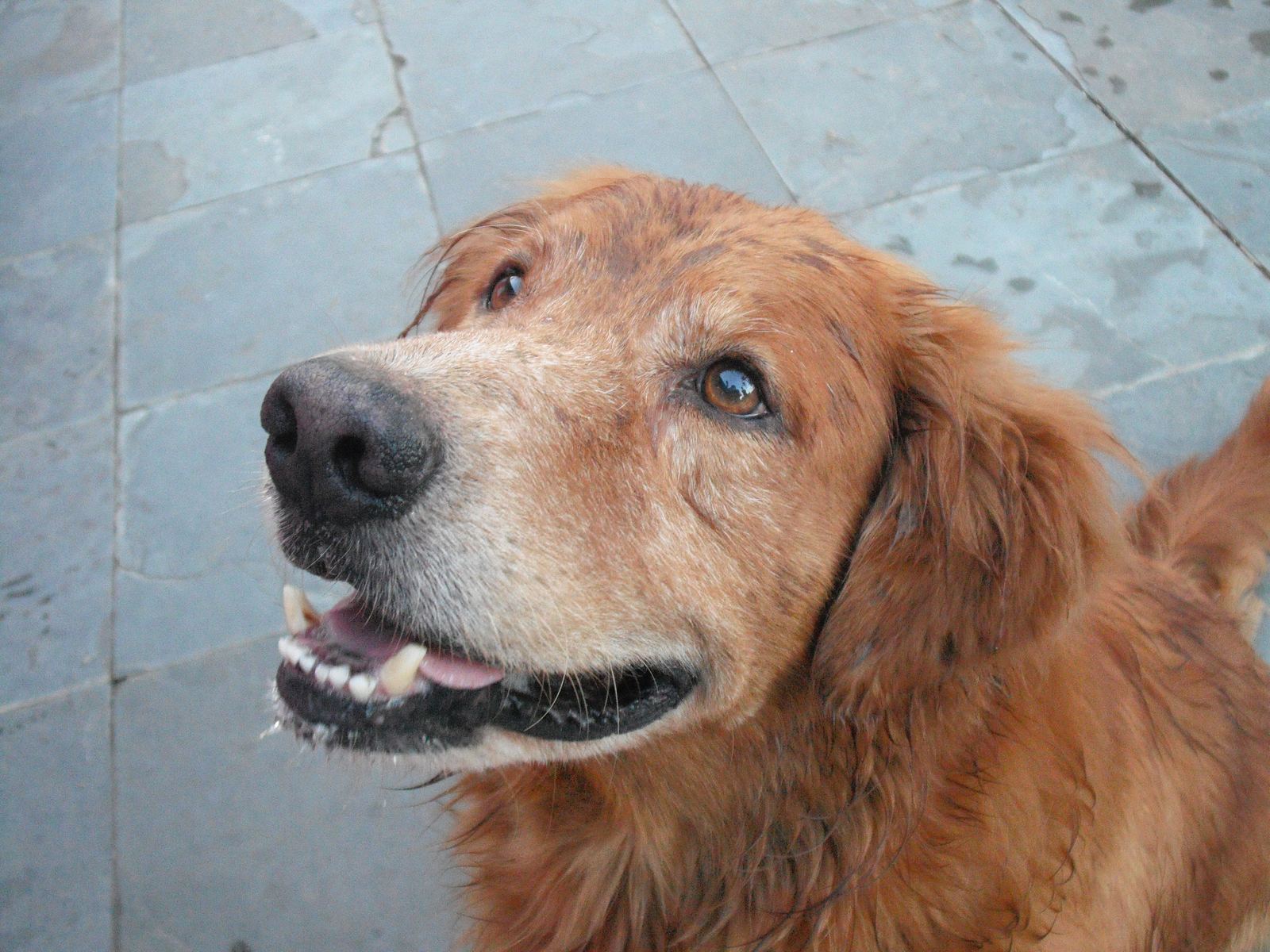
All attention on the ball: Teles, CC BY-SA 3.0
The pointing puzzle
Hide a treat under one of two cups, then point at the right one. Most dogs will walk straight to it. That sounds simple, but many animals, including our close relatives the great apes, struggle with this kind of human signal.
In a 2002 paper in Science, Brian Hare and colleagues reported that dogs were more skilful than great apes at using human cues to find hidden food. Wolves raised by people did not show the same skill, while dog puppies only a few weeks old did, even those with little human contact. The authors concluded that domestication selected dogs for social skills that let them communicate with people in unusual ways.
You can try a version at home. Hide a treat under one of two upturned cups while your dog cannot see, then stand back and point clearly at the right cup. Many dogs get it right away, which is a small window into a skill that took scientists years to study.
Duke: dogs, apes and puppies
Duke University's Canine Cognition Center, founded in 2009, studies what dogs' minds can and cannot do and compares them with other animals, especially great apes. Family dogs visit to play short cognitive games, and the work also aims to help dogs in roles such as assistance and detection.
The same lab group runs the Duke Puppy Kindergarten, which studies how young dogs develop.
Yale: watching what dogs expect
Yale's Canine Cognition Center opened in December 2013 under psychologist Laurie Santos. Its studies used hiding games, puppet shows and looking-time tests, a method also used with human babies, where researchers measure how long a dog stares at a surprising event compared with an expected one.
Questions included whether dogs can sort objects into categories, understand small numbers and pick up on what people know or intend.
Budapest: the Family Dog Project
At Eötvös Loránd University in Budapest, the Family Dog Project began in the 1990s under ethologist Vilmos Csányi and is now led by Ádám Miklósi. Its researchers study attachment, communication, pointing and social learning, memory, ageing and personality, and they compare dogs with hand-raised wolves.
They also use eye-tracking and brain imaging, and their word learning studies made the gifted word learners famous. Nova says she is available for testing any time snacks are involved.
- Science (2002): Hare et al., The domestication of social cognition in dogs (PubMed)
- Duke University Evolutionary Anthropology: Duke Canine Cognition Center
- Yale News: How smart is your dog? Yale aims to find out
- Eötvös Loránd University, Department of Ethology: Family Dog Project
Facts on this page were checked against these sources.
- All attention on the ball: Teles, CC BY-SA 3.0
Text written by NovaHova.